
Deep Seabed Mining
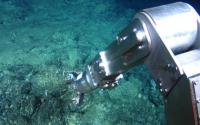
Deep sea mining is a relatively new mineral retrieval process that takes place on the ocean floor. Ocean mining sites are usually around large areas of polymetallic nodules or active and extinct hydrothermal vents at about 1,400 - 3,700 m below the ocean’s surface. The vents create sulfide deposits, which contain valuable metals such as silver, gold, copper, manganese, cobalt, and zinc. The deposits are mined using either hydraulic pumps or bucket systems that take ore to the surface to be processed.
Quicktabs: Keywords
Mining agencies promise to minimize harm to ocean ecosystems. Scientists say we can’t predict its full extent — or how to reverse it.
[ More ]The Japanese government plans to commercialize the mining of cobalt and other rare metals that are found on the seabed around Japan’s easternmost point of Minamitorishima island.
[ More ]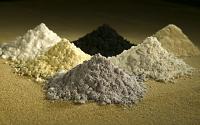
Chinese researchers say they have identified a number of “strategically important” rare earth mineral deposits as part of a decade-long survey of the world’s sea floors.
[ More ]
Norway’s oil and gas reserves have made it one of the world’s wealthiest countries but its dreams for deep-sea discovery now center on something different. This time, Oslo is looking for a leading role in mining copper, zinc and other metals found on the seabed and in hot demand in green technologies.
[ More ]Sir David Attenborough has urged governments to ban deep sea mining, following a study warning of “potentially disastrous” risks to the ocean’s life-support systems if it goes ahead.
[ More ]
The scientists who discovered antibiotic properties in a deep-sea sponge warn that such breakthroughs could be lost in the face of mineral exploitation.
[ More ]Private mining firms and arms companies are exerting a hidden and unhealthy influence on the fate of the deep-sea bed, according to a new report highlighting the threats facing the world’s biggest intact ecosystem.
[ More ]The author argues that one way the Biden Administration could meet its goal of shoring up the supply of critical rare earth metals is by signing the Law of the Sea convention, opening up the deep seabed for commerical exploitation.
[ More ]Government pledges to reach net zero emissions of greenhouse gases by the middle of this century will demand huge quantities of battery metals, some of which will be coming from polymetallic nodules on the deep seabed.
[ More ]DeepGreen built a nearly $3 billion valuation on the dream of gently excavating the ocean floor. Now environmentalists want to block its plans to go public.
[ More ]Pages
No results for this keyword.