
Deep Seabed Mining
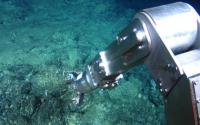
Deep sea mining is a relatively new mineral retrieval process that takes place on the ocean floor. Ocean mining sites are usually around large areas of polymetallic nodules or active and extinct hydrothermal vents at about 1,400 - 3,700 m below the ocean’s surface. The vents create sulfide deposits, which contain valuable metals such as silver, gold, copper, manganese, cobalt, and zinc. The deposits are mined using either hydraulic pumps or bucket systems that take ore to the surface to be processed.
Quicktabs: Keywords
Almost two-thirds of the hundreds of mollusc species that live in the deep sea are at risk of extinction, according to a new study that rings another alarm bell over the impact on biodiversity of mining the seabed.
[ More ]The “new global gold rush” over deep-sea mining holds the same potential pitfalls as previous resource scrambles, with environmental and social impacts ignored and the rights of Indigenous people marginalised, a paper in the Harvard Environmental Law Review has warned.
[ More ]The solutions to climate change—solar panels, windmills, electric cars—seem so blissfully clean and also within reach. Yet they also require vast amounts of minerals: cobalt, manganese, copper, nickel, and rare earths and meeting that demand will likely require reliance on deep seabed mining which has its own environmental risks and tradeoffs.
[ More ]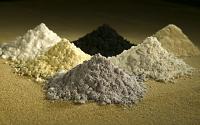
The Metals Company, a mining interest based in Vancouver, is attempting to address the looming resource shortage for the key metals needed for electric cars by mining the deep seabed but environmentalists warn that there are still too many unknowns about the effects of these operations on the fragile seabed ecosystems.
[ More ]As the deep ocean faces growing peril from climate change, seabed mining and other threats, scientists have discovered that seafloor sediments are home to vast populations of previously unknown organisms that may play a crucial role in carbon sequestration and marine food webs. The finding will only further complicate the debate over the tradeoffs from deep seabed mining for critical metals needed for a transition to green energy.
[ More ]After a lengthy pandemic pause, the International Seabed Authority is set to debate mining regulations but the U.S. is sidelined in the discussions as a non-party to UNCLOS.
[ More ]
Deep-sea mining in international waters is currently illegal, and environmental organizations, scientists, and many governments want to keep it that way. They argue that the practice could irreversibly harm one of the planet’s remotest ecosystems, one of the few places on Earth that has largely escaped human disruption.
[ More ]Commercial deep seabed mining could begin as early as 2024 but the ecological harm would be vast and scientists can't say yet whether it would be permanent or excessive.
[ More ]The UN-affiliated organisation that oversees deep-sea mining, a controversial new industry, has been accused of failings of transparency after an independent body responsible for reporting on negotiations was kicked out.
[ More ]Mining companies are planning to profit from the new industry, but environmental campaigners warn of disastrous consequences.
[ More ]Pages
No results for this keyword.